


Last Updated: November 22, 2026
Quick Summary
Garage screen door installation costs start with the screen system itself: a manual Lifestyle Garage Door Screen runs $1,589.75, while Motorized Garage Door Screens run $1,894.40 and Motorized Patio and Garage Screens run $1,954.40 - $3,600, depending on width and height, and the grade of mesh utilized. Typically the most common and least costly is the standard Insect mesh, followed by Solar and Privacy mesh options. Most carry warranties up to 15 years. Professional labor, when you hire it out, is usually quoted separately by the installer and varies by region, installer, and job complexity.
- A manual retractable screen is the lowest-cost path for a single-car garage that still gives a real barrier and has many great features.
- Motorized Garage Door Screens are customizable up to 25 feet wide and carry a 15-year mesh warranty.
- Nonstandard or oversized openings, track obstructions, and motorized wiring are what drive labor cost up.
- DIY installation removes the labor line entirely, and a standard single-car manual mount is a project that most weekend DIYs manage to get done with the help of a buddy.
- Ask each installer for the same breakdown: screen system, labor, prep, electrical, if any, and installation warranty terms.
Table of Contents
- Garage Screen Door Installation Cost at a Glance
- Garage Door Screen Installation Cost by Screen Type and Garage Size
- Retractable Garage Screen Door Cost: Manual vs Motorized
- Garage Screen Door Installation Labor Cost Explained
- DIY Garage Screen Door Installation: Tools, Time, and Real Savings
- Site Conditions and Opening Size That Change Your Quote
- Hidden Costs and Long-Term Ownership Costs to Budget For
- Comparing Quotes and Choosing Your Screen System
- Frequently Asked Questions
Garage Screen Door Installation Cost at a Glance
Garage screen door installation costs typically fall into a clear range once you separate the screen system itself from labor and site work, and knowing what drives garage screen door installation costs helps you budget. A manual Lifestyle Garage Door Screen runs $1,589.75, while the Motorized Garage Door Screens run $1,894.40 and the Motorized Patio and Garage Screens run $1,954.40. Professional labor, where you hire it out, is usually quoted separately by the installer.
That separation matters because most cost confusion comes from lumping a screen system together with a full garage door replacement. They are different projects with different price structures.
How a Garage Screen Differs From a Replacement Garage Door
A garage screen door is a mesh barrier that mounts to your existing opening and lets air through while keeping insects out. A replacement garage door is a new solid panel door that seals the opening completely. The screen system adds usable, ventilated space without touching the door you already own. A replacement door is a structural, insulated product. Confusing the two inflates expectations on both sides: screens cost far less than a new door, and they solve a different problem.
Garage screen system prices by type
Garage Door Screen Installation Cost by Screen Type and Garage Size
Cost tracks screen type first, then opening size. A single-car opening uses less mesh, frame, and track than a double-car opening, so material cost drops accordingly. The table below separates the product cost from the hardware and preparation costs that scale with opening size, so you can build a realistic project total instead of comparing headline numbers.
Screen Type |
Typical Fit |
Product Cost Driver |
Hardware and Prep Add-Ons |
Best For |
|---|---|---|---|---|
Manual retractable |
Single or double |
Frame length, mesh area |
Track, mounting brackets, header shims |
Budget-conscious DIYers |
Motorized retractable |
Single or double |
Motor, frame, mesh |
Wiring, controls, track, brackets |
Frequent daily use |
Sliding panel |
Single or double |
Panel count, track |
Panel rollers, floor track, stops |
Wide, easy-access openings |
Fixed frame |
Single opening |
Frame and mesh only |
Anchors, trim, sealant |
Permanent, low-traffic setups |
For a single-car garage, a manual retractable screen is the lowest-cost path that still gives you a real, retractable barrier. For a double-car garage, expect material cost to climb with width, and motorized systems to cost more than manual ones because of the motor and controls. The Lifestyle Garage Door Screen is designed to fit most existing garage doors and can convert the space into a usable workspace.
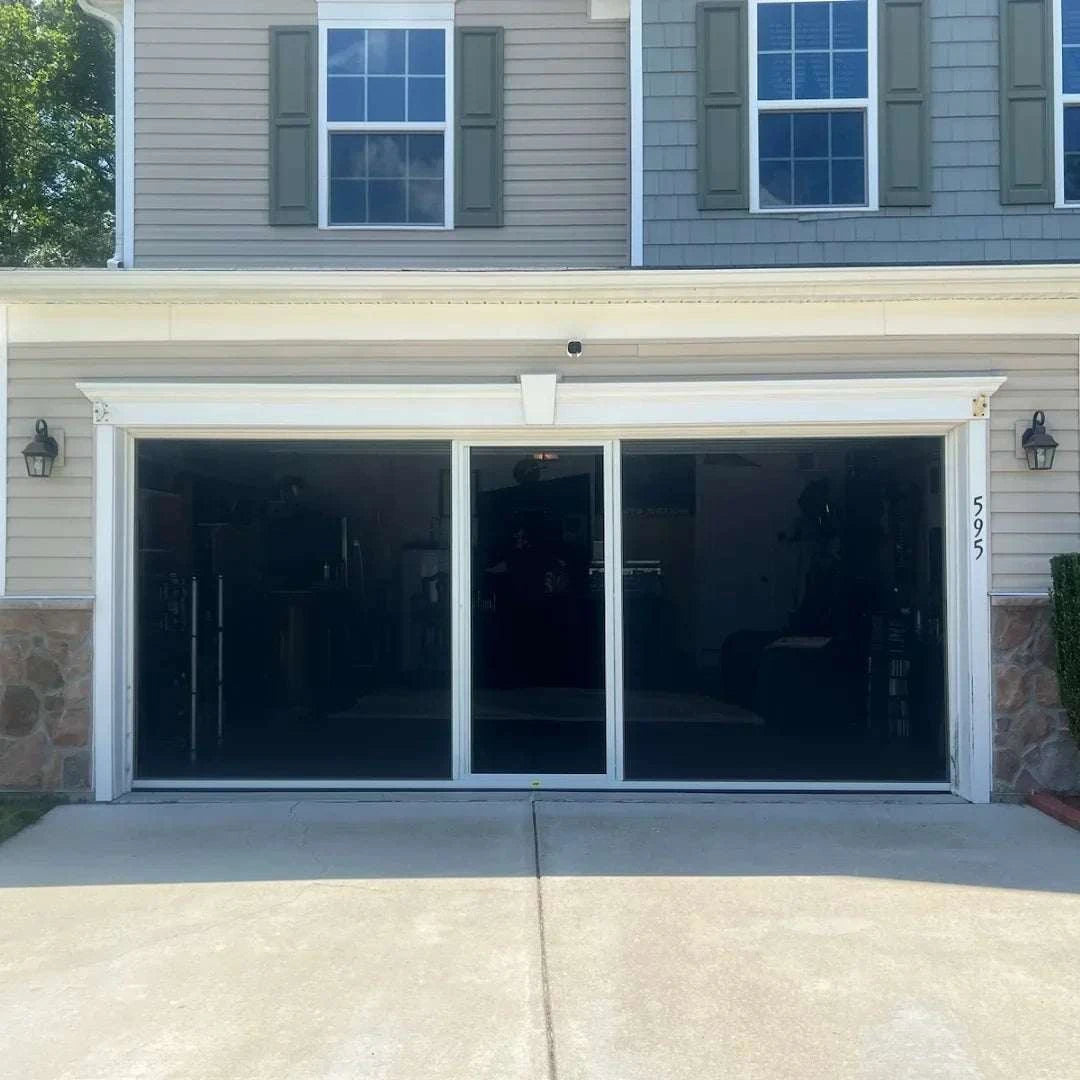
To compare realistic project totals, separate the four cost buckets: the screen system itself, the hardware (track, brackets, fasteners), site preparation (clearing the mounting surface, adjusting trim, shimming an out-of-square header), and labor if you hire it out. A single-car manual system keeps all four buckets small. A double-car motorized system grows the product and hardware buckets, and an oversized opening can add custom framing to the prep bucket. Hardware and prep together can add meaningfully to the product cost on nonstandard openings, which is why a lump-sum quote can hide where the money goes.
Watch out: quoting a double-car price against a single-car opening, or the reverse, is the most common way homeowners misjudge a budget before an installer measures the opening.
Retractable Garage Screen Door Cost: Manual vs Motorized
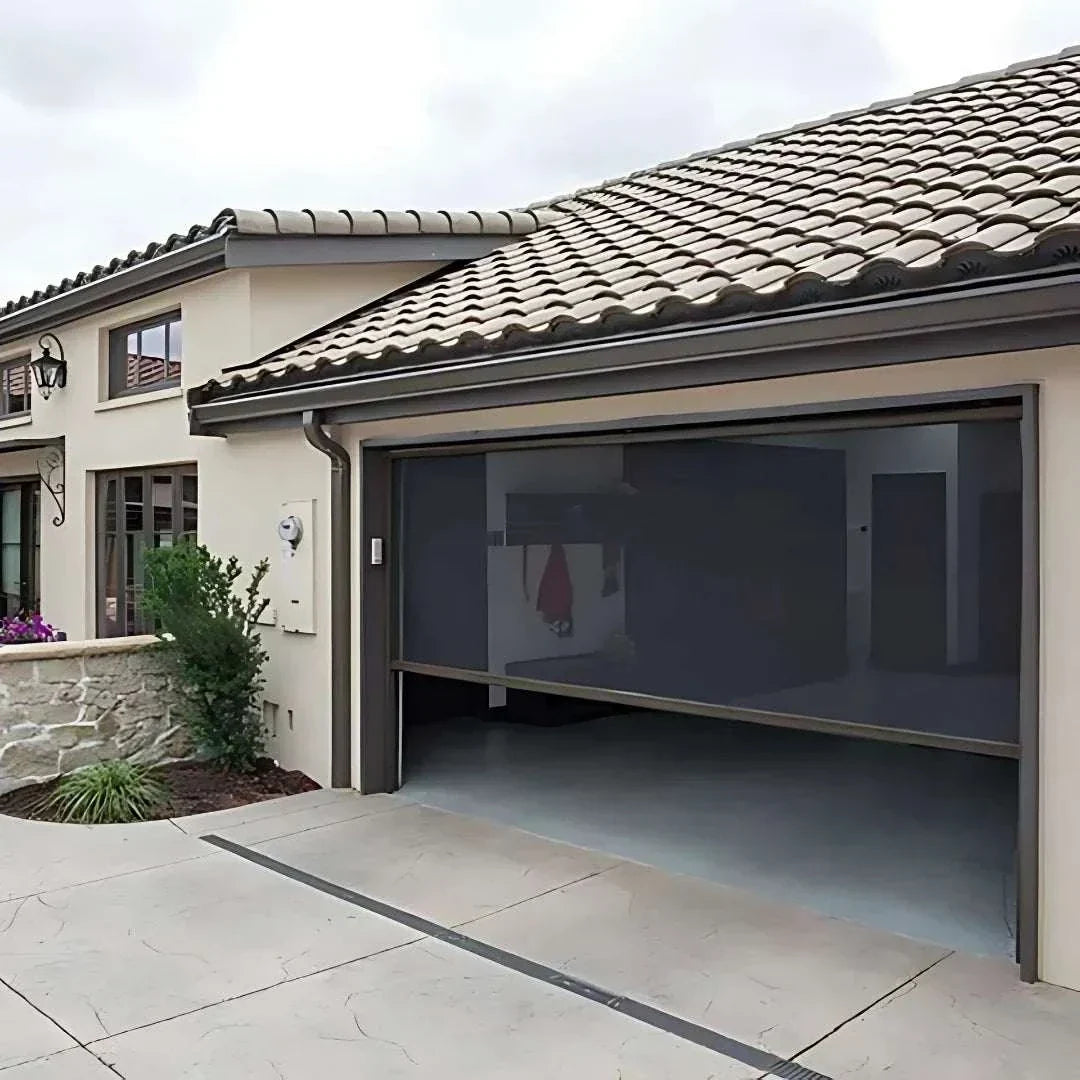
Retractable garage screen door cost depends mainly on whether you add a motor. A manual retractable screen is pulled by hand and retracts into its housing when not in use. A motorized version adds a remote-controlled motor, which raises the price but removes the daily effort of opening and closing.
The Motorized Garage Door Screens run $1,894.40 - $4,827.00 and are customizable up to an extra-large 25 feet wide. They keep bugs out, provide ventilation and privacy, reduce UV heat, and help maintain warmth in cooler months. The product information lists a 15-year mesh warranty. The manual Lifestyle screen runs $1,589.75 and suits homeowners who want the same function without the motor. If you open the screen several times a day, the motor earns its cost in convenience; if you open it occasionally, manual is the smarter buy.
Garage Screen Door Installation Labor Cost Explained
Garage screen door installation labor cost is the line item most homeowners underestimate, because it depends on your installer, your opening, and how much prep the job needs. Labor is quoted separately from the screen system and varies by region, installer, and job complexity. A straightforward mount on a standard opening takes less time than a custom fit on an irregular opening.
What drives labor up:
- Nonstandard or oversized openings that require custom framing
- Track or header obstructions that need adjustment
- Mounting on uneven or damaged surfaces
- Motorized systems that need wiring and control setup
What keeps labor down:
- A standard single-car opening with clean, level framing
- A manual system with no electrical work
- Pre-measured, ready-to-mount hardware
Get a written labor quote that lists prep, mounting, and any electrical work separately. A single lump-sum number hides where the cost is going.
DIY Garage Screen Door Installation: Tools, Time, and Real Savings
DIY garage screen door installation is realistic for a confident homeowner, and it removes the labor line entirely. Helpful installation videos and manuals are available to support self-installers. The savings come from skipping the installer, but the trade-off is your time and the need for accurate measurements.
A practical materials list for a typical self-install includes:
- The screen system itself (manual or motorized)
- Track and mounting brackets sized to your opening
- Fasteners rated for your framing material (wood, masonry, or metal)
- Shims for an out-of-square header
- Sealant or weatherstripping for the perimeter
- A helper for panels wider than a single person can safely handle
Tools you will typically need:
- Tape measure and level
- Cordless drill with the right bits
- Step ladder
- Utility knife and tin snips for trim and track
- Pencil and painter's tape for layout marks
Measure your opening precisely before ordering; the fit depends on it. Watch the installation videos and how-to guides before you start so you know how the track and frame go together. Most of the work is measuring, leveling, and fastening. If your garage door track is in the way, plan the mount around it rather than forcing the frame.
On the labor-versus-DIY comparison: a professional install bundles measuring, mounting, and electrical work (for motorized units) into one quote, and that quote is the number you avoid by doing it yourself. The trade-off is time and risk. A standard single-car manual mount is a weekend project for a careful homeowner. A motorized system on a double-car opening adds wiring and control setup, which is where DIY savings shrink because electrical work may require a licensed electrician depending on local code.
Watch out: ordering before measuring, or mounting into damaged or uneven framing without shimming, is the most common cause of a screen that binds or sags after installation.
Site Conditions and Opening Size That Change Your Quote
Site conditions and opening size are the two variables that move a quote most. A standard opening with level framing is the easy case. A nonstandard opening, an uneven floor, or a header that sits out of square turns a simple mount into a custom fit, and custom work costs more in both materials and time.
Opening size affects material directly: wider and taller openings need more mesh, frame, and track. A wider double-car opening requires more mesh, frame, and track than a single-car opening. Site prep, such as clearing the mounting surface or adjusting trim, adds time. Ask your installer to note site conditions in the quote so you can see what is driving the number.
Hidden Costs and Long-Term Ownership Costs to Budget For
Hidden costs are the small line items that appear after the main quote. Budget for hardware replacements, mesh repair if it tears, and motor service on powered units over time. A motorized system adds a motor and controls that can need attention years down the road; a manual system has fewer moving parts to service.
Long-term ownership cost is mostly about durability. PVC-coated polyester mesh resists weather and wear, and a 15-year mesh warranty on our motorized screens tells you the expected service life. If you plan to use the space for years, factor in how the screen holds up to sun, pets, and daily use. Homeowners turning the garage into a gym or hobby room should think about the space long term; our guide on how to convert a garage into a gym without wasting space covers layout and durability considerations that pair well with a screen.
Comparing Quotes and Choosing Your Screen System
Comparing quotes is where you protect your budget. Ask each installer for the same breakdown: screen system, labor, prep, electrical if any, and warranty terms. Line them up side by side so you are comparing the same scope, not a low headline number against a complete one.
When you compare screen systems, weigh manual against motorized, opening size, mesh type, and warranty. The Motorized Patio and Garage Screens run $1,954.40, while the manual Lifestyle Garage Door Screen at $1,589.75 is the lower-priced option. Both keep insects out, add shade and privacy, and create a usable space. If you want help matching a system to your opening, get in touch with our team for guidance before you buy.
A screened garage only pays off when the system fits your opening and holds up to real use. US Privacy Screens LLC builds retractable and motorized screens compatible with 99% of garage doors, backed by expert DIY support, installation videos and manuals, and fast shipping. Get started with US Privacy Screens LLC and turn your garage into a space you actually use.
Frequently Asked Questions
How much does it cost to install a garage door screen?
The total cost depends on the screen system you choose and whether you hire out the work. The Lifestyle Garage Door Screen is priced at $1,589.75. Motorized systems run higher: the Motorized Garage Door Screens are $1,894.40 and the Motorized Patio and Garage Screens are $1,954.40.
What factors affect the cost of installing a garage screen door?
The biggest drivers are screen type, opening size, and site conditions. A standard single-car opening fits most stock kits, while a double-car or nonstandard opening may need a custom fit at extra cost. Motorized units cost more than manual retractable ones. Labor rates vary by market, and any prep work such as clearing the track area or adjusting the frame adds time.
Is it cheaper to install a garage screen door yourself?
Yes. DIY garage screen door installation removes the labor line entirely, which is often the largest variable in a quote. You still pay for the screen, frame, track system, and hardware. Measure the opening precisely before ordering, watch the manufacturer's installation video, and budget a full afternoon for a first-time install.
How long does garage screen door installation take?
Installation time depends on the opening size, the screen system, and site conditions, so plan around your own measurements and the installation resources provided. Site prep, such as clearing the track and checking the frame is square, adds time either way.
Are retractable garage screens worth the cost?
For homeowners who want usable square footage, they usually are. A retractable screen rolls up out of the way when the garage door is closed, so you keep full clearance for parking and equipment. It adds insect protection, shade, and privacy without a permanent build-out. Compare the screen price against the cost of a framed room addition or a full replacement garage door, and factor in durability: Mesh durability depends on material and care, and the Motorized Garage Door Screens list a 15-year mesh warranty.
Does screen mesh give any real privacy?
Standard insect mesh blocks bugs but offers limited privacy. If neighbors or passersby can see into your garage, choose a privacy or solar mesh option instead. These denser weaves reduce visibility from outside while still letting air through, and they cut UV heat at the same time. The Motorized Garage Door Screens are available in a range of screen mesh colors and types, including bug, solar, and privacy options.
